



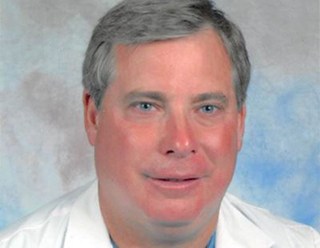
Anthony Fauci became the public face of America’s COVID response, and for many citizens he also became the face of coercive government. He projected calm certainty, but that calm often masked a deeper problem: the transformation of public health into personal authority, political theater, and institutional self-protection rather than a disciplined application of science and clinical judgment.
For years, Americans were told to trust “The experts.” Yet many of those experts were wrong, again and again. They were wrong about school closures, wrong about the costs of lockdowns, wrong about the damage done to families and small businesses, and wrong about the harm inflicted on patients isolated from loved ones in hospitals and nursing facilities. The result was not merely bad policy. It was a profound injury to trust.
Dr. Fauci’s repeated invocation of “settled science” was especially troubling. Science is not settled by decree, and medicine is not improved when dissenting physicians are treated as heretics. When government officials speak as if their judgments are beyond dispute, they invite exactly the kind of bureaucratic arrogance that crushes honest debate and punishes independence.
That is why the question of agency matters so much. Who do the experts actually represent? Do they serve patients, citizens, and truth? Or do they serve institutions, industry, and the convenience of official narratives?
That question is not abstract. If a hospital association leader gives advice, or a former hospital executive with a multimillion-dollar compensation history is placed in a position of influence, or an official with long ties to an insurance carrier helps shape policy, reasonable citizens have a right to ask whether the advice is truly independent. Bureaucracies often present themselves as neutral guardians of the public good, but neutrality is not guaranteed by title. It must be proven by conduct, transparency, and humility.
There were, in fact, many practicing physicians who challenged the official COVID orthodoxy and offered alternatives based on actual clinical experience. Dr. Ryan Cole was among those voices in Idaho. Trained at the Mayo Clinic and Georgetown University, and credentialed in virology, he raised serious concerns about prevailing mitigation strategies and treatment protocols. Whether one agreed with every element of his analysis or not, it was irresponsible to treat such voices as disposable simply because they did not echo the approved line from Washington or from state bureaucracies.
Instead, too many officials chose hierarchy over inquiry. They listened upward, not outward. They deferred to national public health personalities and administrative chains of command rather than engaging seriously with qualified physicians who were questioning the prevailing response. In doing so, they helped create a professional environment in which courageous doctors paid a steep price for dissent. Careers were strained, reputations were damaged, licenses were threatened, and families bore the burden.
That should trouble anyone who still believes medical judgment ought to rest on evidence rather than ideology. The people who warned early and often about the dangers of rigid COVID orthodoxy were not always correct in every detail, but neither were the officials who presumed to speak with final authority. The record now shows that many of the government’s leading experts were badly mistaken. Idaho was badly mistaken. The federal response was badly mistaken.
Governor Little should acknowledge that reality and apologize to Dr. Cole. The State Board of Medicine should restore his license without stipulations or restrictions and expunge any compliance agreements between Dr. Cole and either the State of Idaho or the State of Washington, if no independent and fair basis exists to justify their continuation. Restitutions for fines paid and legal fees accrued to Dr. Cole should also be considered. Justice is not served when institutions refuse to revisit their errors merely to avoid embarrassment. A public apology would not solve everything, but it would be a sign that humility has not entirely disappeared from state government.
And this brings us back to the central question: who is serving whom? Public office exists to serve the people, not to shield bureaucrats from accountability or to preserve the prestige of failed experts. When officials forget that distinction, government becomes less a servant than a master.
Finally, I would respectfully ask the Idaho Attorney General to review this matter and determine whether a legal remedy may be available. If the state is capable of correcting an injustice, it should do so. If it is not, then citizens are right to ask whether the system remains faithful to the people it claims to serve.